
If you host on Airbnb or VRBO, you already know: guest messages never stop. Check-in instructions at midnight. “What’s the Wi-Fi password?” for the third time. “Is there a Costco nearby?” at 6 AM.
For one property, it’s manageable. For three or more, it’s a second job. And the worst part? Most of these messages are the same questions, over and over.
Here’s how to automate guest messaging at every level — from simple saved replies all the way to AI that handles conversations for you.
Level 1: Saved Replies and Scheduled Messages
This is where most hosts start, and it’s free.
Airbnb’s built-in tools:
- Saved messages — pre-written replies you can send with a tap. Create templates for check-in instructions, Wi-Fi info, checkout reminders, and local recommendations.
- Scheduled messages — set messages to send automatically at specific times relative to check-in or checkout.
What to template:
- Booking confirmation + what to expect
- Check-in instructions (24 hours before arrival)
- Day-of welcome message with door code
- Mid-stay check-in (“Everything going well?”)
- Checkout reminder with instructions
- Post-checkout thank you + review request
The limits: Scheduled messages don’t respond to questions. If a guest asks something at 11 PM, they wait until you wake up. And every new property means rebuilding all your templates.
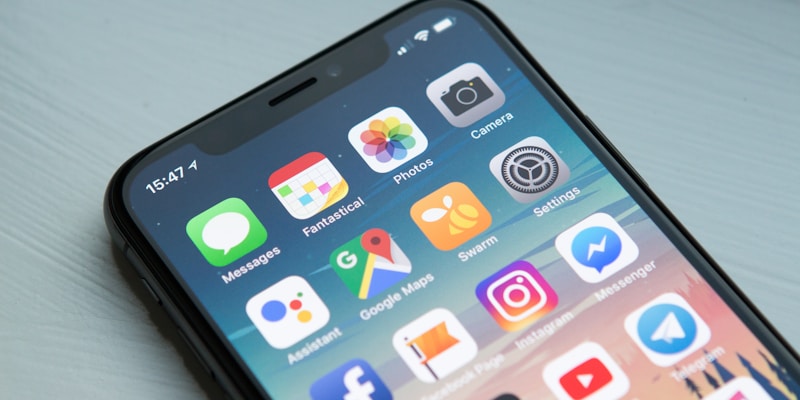
Level 2: Channel Managers with Auto-Messaging
If you’re on multiple platforms (Airbnb + VRBO + direct bookings), a channel manager can centralize messages and add more automation.
Tools like Hospitable (formerly Smartbnb), Host Tools, or Hostaway let you:
- Trigger messages based on booking events across platforms
- Use variables (guest name, check-in date, door code) in templates
- Set rules: if guest hasn’t messaged 24 hours before check-in, send a reminder
The improvement: Your messages go out reliably across all platforms, and you can personalize with variables. But you’re still writing every template, and guests who ask unexpected questions still need you.
Level 3: AI-Powered Guest Messaging
This is where things actually change. Instead of templates that fire at scheduled times, AI reads the guest’s message, understands what they’re asking, and writes a response.
What good AI guest messaging looks like:
- Guest asks “What time is check-in?” → AI responds with your specific check-in time, plus door code instructions
- Guest asks “Any good restaurants nearby?” → AI responds with your curated local recommendations
- Guest says “The hot tub isn’t working” → AI escalates to you with context, instead of trying to troubleshoot
- Guest writes in Spanish → AI responds in Spanish with accurate property details
The key difference from templates: AI handles the questions you didn’t anticipate. Templates only work for the scenarios you planned for. Real conversations are messy — guests ask compound questions, they use slang, they ask things at weird times. AI handles this the way a human co-host would.

What to look for in an AI messaging tool:
- Trained on YOUR property — it should know your specific check-in process, house rules, and local area, not just generic Airbnb advice
- Human-sounding — guests should not be able to tell it’s AI. If the responses sound robotic, it hurts your reviews.
- Smart escalation — the AI should know when to loop you in (refund requests, damage reports, emergencies) vs. when to handle it alone
- Multi-platform — works across Airbnb, VRBO, and direct bookings from one place
- Customizable tone — match your hosting style, whether that’s formal and professional or casual and friendly
This is the level Outkeepr operates at: it reads the message on Airbnb or VRBO, answers from what it knows about that specific property and that specific booking, and escalates to you when it shouldn’t be the one replying.
The Hidden Benefits of Automated Messaging
Response time is one of Airbnb’s ranking factors. Hosts who respond within an hour get better search placement. AI responds in seconds, 24/7 — which means:
- Better search ranking on Airbnb (faster response times)
- Higher booking conversion (guests often message multiple hosts — first response wins)
- Better reviews (guests mention “great communication” when they get fast, helpful replies)
- Less stress (you’re not glued to your phone during dinner, vacations, or sleep)
One host managing 5 properties told us he went from spending 2 hours a day on messages to checking in for 10 minutes in the morning. Not because the AI replaced him — because it handled the 90% of messages that were routine, so he only dealt with the 10% that actually needed him.
Pro tip: Airbnb’s algorithm rewards fast response times. Hosts who consistently respond within an hour see measurably better search placement. AI makes this effortless — your guests get replies in seconds, 24/7.

How to Set It Up (Step by Step)
Here’s a practical setup process, regardless of which tool you choose:
1. Document everything about your property
Before any tool can respond accurately, it needs to know your property inside out:
- Check-in/checkout procedures
- Wi-Fi network and password
- Parking instructions
- House rules
- Local recommendations (restaurants, groceries, activities)
- Emergency contacts and procedures
- Appliance instructions (anything guests ask about)
2. Review your past messages
Go through your last 50-100 guest conversations. You’ll see the same 10-15 questions show up over and over. These are your highest-impact automations.
3. Start with low-risk messages
Begin by automating check-in instructions and basic FAQ responses. Review the AI’s responses for a week before expanding to more complex conversations.
4. Set clear escalation rules
Define exactly what should come to you: refund requests, maintenance issues, noise complaints, safety concerns. Everything else can be handled automatically.
5. Monitor and refine
Check the AI’s conversations weekly for the first month. Flag any responses that missed the mark, and use them to improve accuracy.
What This Looks Like in Practice
Here’s a real example of how automated messaging changes the hosting workflow:
Before automation:
- 6:00 AM: Wake up to 4 guest messages from overnight
- Reply to check-in question while making coffee
- 9:00 AM: Guest asks about early check-in — negotiate back and forth
- 12:00 PM: Another guest asks for restaurant recommendations
- 3:00 PM: New booking comes in, send confirmation and check-in details
- 9:00 PM: Guest can’t figure out the TV remote — walk them through it
- 11:00 PM: Pre-arrival guest asks about parking
After automation:
- 8:00 AM: Open app, see that AI handled 6 conversations overnight. Skim the summaries.
- 8:05 AM: One flagged message — guest requesting early check-in. Approve it, AI communicates the update.
- Done for the day.
That’s the difference between managing properties and being managed by them.

Getting Started
If you’re spending more than 30 minutes a day on guest messages across your properties, automation will pay for itself in the first week — not in money, but in time and sanity.
The technology has gotten good enough that your guests won’t know the difference. And your reviews will reflect the faster, more consistent communication.
The real question isn’t whether to automate guest messaging — it’s how much of your time you’re willing to keep spending on “What’s the Wi-Fi password?”
If the honest answer to that question is “too much,” Outkeepr was built to take it off you — the 11pm messages especially. Free to try, and nothing to migrate.
Ready to automate your vacation rental?
AI guest messaging, smart lock codes, cleaner scheduling, and more — starting at $5/mo per property.
Try Outkeepr Free